
If you’re planning a major cleanout, construction project, or renovation, figuring out how to rent a dumpster Austin can make all the difference in keeping your site organized and efficient. Whether you’re a small business owner prepping for a remodel, a developer managing multiple job sites, or a homeowner tackling a big decluttering project, understanding the ins and outs of dumpster rental can save you time, money, and plenty of headaches. In this comprehensive guide, we’ll walk you through everything you need to know about dumpster sizes, pricing, rental steps, and local tips to ensure your experience is smooth from start to finish. By the end, you’ll be ready to choose the right dumpster for your needs, avoid hidden fees, and make waste management one less thing to worry about.
Understanding Dumpster Sizes for Every Project
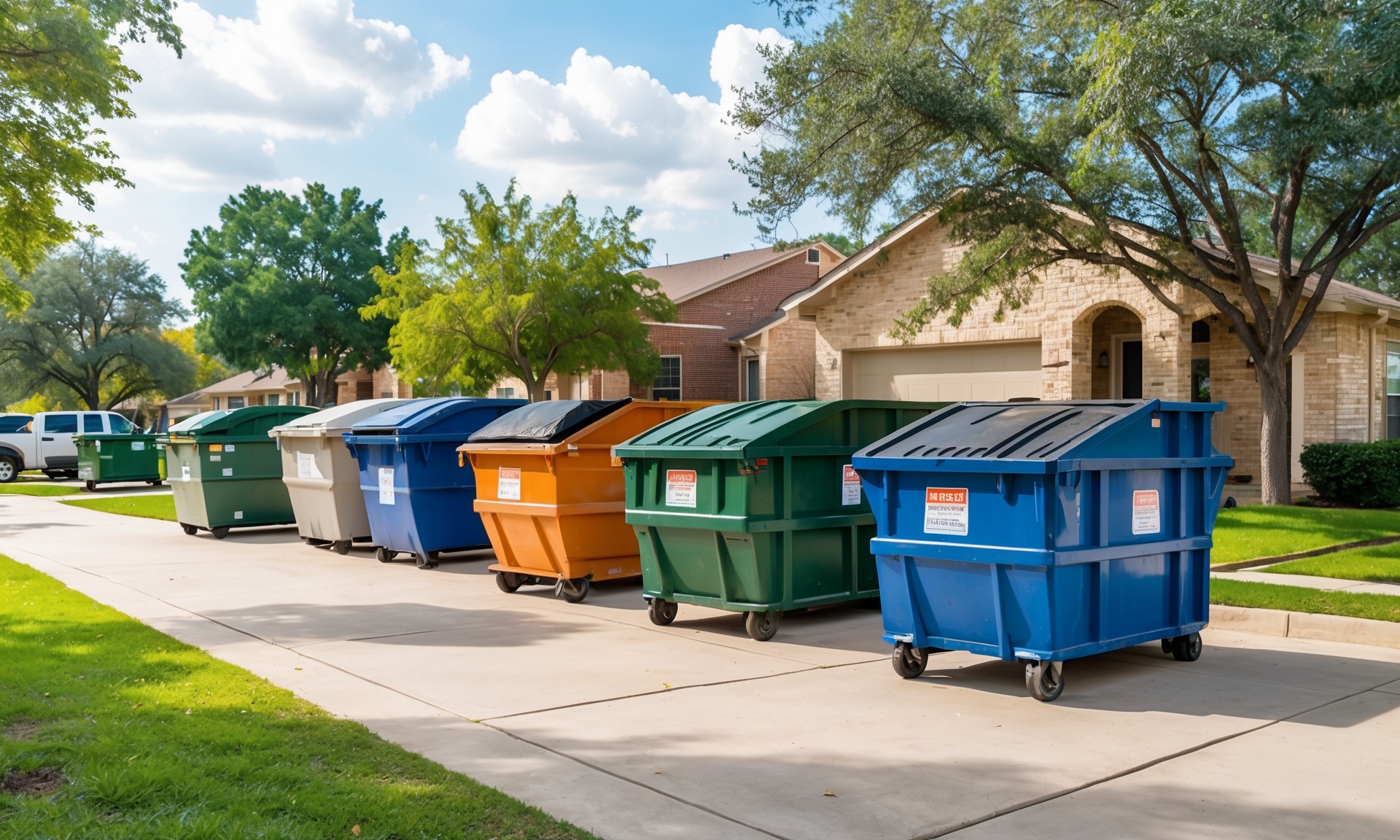
Choosing the right dumpster size is the first crucial step in a successful rental experience. Dumpsters come in a range of sizes, typically measured in cubic yards. The most common sizes are 10, 20, 30, and 40 cubic yards. Each is suited for different types of projects, and selecting the correct one can help you avoid overpaying for unused space or running out of room mid-project.
For small cleanouts or minor renovations, a 10-yard dumpster is usually sufficient. This size is perfect for garage cleanups, single-room remodels, or disposing of yard debris. If you’re handling a larger renovation or a mid-sized construction job, a 20-yard dumpster offers more space without taking up too much room on your property. For major construction projects, full home cleanouts, or commercial renovations, 30- and 40-yard dumpsters provide ample capacity for bulky waste, old furniture, and demolition debris.
It’s important to consider not just the volume but also the type of waste you’ll be disposing of. Heavier materials like concrete, dirt, or roofing shingles may require a smaller dumpster due to weight limits, even if you have a large volume. Always check with your rental provider for guidance on the best size for your specific project and to ensure you comply with local regulations and weight restrictions.
To help you visualize the differences, here’s a quick comparison of standard dumpster sizes and their typical uses:
| Dumpster Size | Approximate Dimensions | Typical Use Case |
|---|---|---|
| 10 Yard | 12′ x 8′ x 3.5′ | Small cleanouts, yard debris, single-room remodels |
| 20 Yard | 22′ x 8′ x 4.5′ | Medium renovations, flooring, larger cleanouts |
| 30 Yard | 22′ x 8′ x 6′ | Major construction, whole-home cleanouts |
| 40 Yard | 22′ x 8′ x 8′ | Large-scale demolition, commercial projects |
If you’re unsure which size fits your needs, most local providers are happy to offer advice based on your project details. Choosing wisely helps you stay on budget and keeps your site running smoothly.
Breaking Down Dumpster Rental Prices
One of the most common questions renters have is, “How much will this really cost?” Dumpster rental prices can vary widely depending on several factors. The size of the dumpster, the length of your rental, the type of debris you’re disposing of, and your location all play a role in determining the final price.
Typically, smaller dumpsters cost less to rent, but if you underestimate your needs and require a second dumpster, your total cost can quickly rise. Most companies offer flat-rate pricing that includes delivery, pickup, and a set amount of weight. However, exceeding the weight limit or keeping the dumpster longer than the agreed period can result in additional fees. Certain types of waste, such as hazardous materials or electronics, may also incur surcharges or be prohibited altogether.
To get the best value, compare quotes from several providers and ask for a detailed breakdown of what’s included. Be sure to clarify the rental period, weight limits, and any potential extra charges. Understanding the full pricing structure upfront prevents surprises on your final bill and helps you budget more accurately for your project.
Keep in mind that local regulations, landfill fees, and demand can also affect pricing. Booking your dumpster ahead of time, especially during peak construction seasons, can help lock in better rates and ensure availability.
How to Rent a Dumpster Austin: Step-by-Step Process
If you’re wondering how to rent a dumpster Austin, the process is straightforward but requires a bit of planning. Here’s a step-by-step guide to help you navigate your rental from start to finish:
- Assess your project’s scope and estimate the type and volume of debris you’ll generate.
- Research local dumpster rental companies and compare their offerings, including available sizes, pricing, and rental terms.
- Contact your chosen provider to discuss your needs, ask questions about weight limits, prohibited items, and delivery logistics.
- Reserve your dumpster, specifying the drop-off location and rental period. Double-check if you need a permit for street placement.
- Prepare your site by clearing space for the dumpster and ensuring easy access for the delivery truck.
- Fill the dumpster, keeping in mind the fill line and any restrictions on certain materials.
- Schedule your pickup once your project is complete or the dumpster is full.
By following these steps, you’ll avoid common pitfalls like overfilling, blocked access, or last-minute permit issues. Planning ahead ensures a stress-free experience for your project in this city.
For more detailed guidance, check out how to rent a dumpster Austin for additional tips and resources tailored to your needs.
What Can and Cannot Go in Your Dumpster
It’s tempting to toss everything into your rental dumpster, but not all materials are accepted. Most providers have strict guidelines about what can be disposed of, both for safety and environmental reasons. Commonly accepted items include household junk, furniture, construction debris, yard waste, and non-hazardous materials. However, hazardous items like chemicals, paint, batteries, tires, and certain electronics are typically prohibited.
It’s important to ask your rental company for a full list of restricted items before your project begins. Disposing of prohibited materials can result in fines or require the provider to refuse pickup. If you have specialty items, such as appliances or mattresses, check if there are additional fees or specific disposal instructions. Responsible waste sorting not only protects the environment but also ensures your rental goes smoothly and remains compliant with local regulations.
Permits and Placement: Avoiding Common Pitfalls
Depending on where you plan to place your dumpster, you may need a permit from your local municipality. If the dumpster will be on private property, such as a driveway or job site, permits are rarely required. However, placing a dumpster on a public street, alley, or sidewalk often requires official approval to ensure public safety and avoid obstructing traffic.
Contact your city’s public works or permitting office to confirm requirements before scheduling delivery. Some providers will handle the permitting process for you, while others expect you to secure the necessary paperwork. Failing to obtain the right permit can result in fines or forced removal of the dumpster.
When choosing a placement spot, ensure there’s enough clearance for the delivery truck and that the ground is stable enough to support the weight. Avoid blocking walkways, fire hydrants, or neighboring driveways. Proper placement streamlines your project and keeps your neighbors happy.
Timing Your Dumpster Rental for Maximum Efficiency
Timing is everything when it comes to renting a dumpster. Booking too early can mean paying for idle time, while waiting until the last minute risks limited availability, especially during busy seasons. The ideal approach is to schedule your rental so the dumpster arrives just as your project begins and is picked up promptly when you’re finished.
Most providers offer flexible rental periods, ranging from a few days to several weeks. Be realistic about how long your project will take, and build in extra time for unexpected delays. If you finish early, many companies will pick up the dumpster ahead of schedule. If you need more time, ask about extension policies and any associated fees.
Coordinating your rental with your project timeline helps you avoid extra charges and keeps your site organized. Communicate clearly with your rental provider about your schedule, and confirm pickup and drop-off times to prevent any disruptions.
Tips for Saving Money on Your Dumpster Rental
Dumpster rentals can be a significant expense, but there are several strategies to keep costs down. Start by accurately estimating the size you need, renting a dumpster that’s too large means paying for unused space, while one that’s too small can lead to costly overage fees or the need for a second rental. Consolidate your waste to maximize space, breaking down large items and stacking debris efficiently.
Shop around for quotes and don’t hesitate to negotiate, especially if you have a flexible timeline or multiple projects. Some providers offer discounts for longer rentals or repeat customers. Be upfront about the types of materials you’ll be disposing of to avoid surprise charges. Whenever possible, dispose of prohibited or specialty items separately to sidestep additional fees.
Finally, consider sharing a dumpster with a neighbor or nearby business if your projects overlap. Splitting the cost can make waste disposal more affordable for everyone involved.
Sustainable Disposal: Eco-Friendly Options
Responsible waste management is more important than ever, and many renters are looking for eco-friendly options when renting a dumpster. Ask your provider about recycling programs or green disposal options. Some companies sort and recycle eligible materials, such as metal, cardboard, and certain plastics, diverting them from local landfills.
For projects generating a lot of recyclable or reusable items, consider renting separate dumpsters or bins for different waste streams. This not only supports sustainability efforts but can also reduce overall disposal costs. If you’re disposing of large quantities of yard waste, look for providers who offer composting services or green waste recycling.
Taking a little extra time to sort materials and choose a provider with a commitment to sustainability benefits both your project and the environment. It’s a win-win for your community and future generations.
Common Mistakes to Avoid When Renting a Dumpster
Even seasoned project managers can run into issues with dumpster rentals. One of the most common mistakes is underestimating the amount of debris, leading to overfilling or requiring a second dumpster. Overfilling can result in additional fees or refusal to pick up the dumpster until the load is reduced.
Another frequent error is failing to check for restricted items, which can cause delays or fines. Not securing the necessary permits for street placement can also create headaches and unexpected costs. Additionally, poor site preparation can make delivery and pickup difficult, especially in tight spaces or areas with limited access.
Avoid these pitfalls by carefully planning your project, communicating clearly with your provider, and reviewing all rental terms before signing. Taking these steps ensures your rental goes smoothly and stays within budget.
Choosing the Right Dumpster Rental Provider
Not all dumpster rental companies are created equal. When selecting a provider, look for one with a solid reputation, transparent pricing, and excellent customer service. Read reviews, ask for references, and compare rental terms to ensure you’re getting the best value for your money.
A reliable provider will answer your questions, help you choose the right size, and walk you through the rental process. They should also offer clear guidelines on what can and cannot be disposed of, as well as flexible scheduling for delivery and pickup. Don’t be afraid to ask about their environmental policies or recycling programs if sustainability is important to you.
Taking the time to research your options pays off in a smoother, more efficient rental experience, whether you’re a business owner, developer, or homeowner tackling a big project.
Final Thoughts
Renting a dumpster doesn’t have to be complicated. By understanding your project’s scope, choosing the right size, and following best practices for pricing, permits, and disposal, you can streamline your cleanup and keep your project on track. Remember to communicate clearly with your provider, plan ahead for permits and placement, and consider eco-friendly options whenever possible. With these tips, you’ll be well-equipped to handle any size job, keep your site organized, and make waste management one less thing to worry about in your next big project.