Preparing for a Dumpster Rental is a smart move for any property owner, small business, or developer looking to manage waste efficiently. Whether you’re tackling a renovation, clearing out office space, or overseeing a construction project, having a plan in place can make the process smooth and stress-free. The right preparation not only saves you time and money but also ensures you get the most out of your rental period. In this guide, we’ll walk you through everything you need to know about preparing for a Dumpster Rental, from evaluating your property’s needs to understanding local regulations and optimizing your space. By following these steps, you’ll be ready to welcome your dumpster delivery with confidence and avoid the common pitfalls that can lead to delays or extra costs. Let’s dive in and make your next project as seamless as possible!
Preparing for a Dumpster Rental in the Area
When it comes to preparing for a Dumpster Rental, the first step is to assess your property’s unique needs. Every project is different, and the type of waste you’ll generate will dictate the size and type of dumpster you require. Start by making a detailed list of the materials you plan to dispose of. Are you dealing with construction debris, household junk, yard waste, or a mix of items? Understanding this will help you communicate effectively with your rental provider and select the right container.
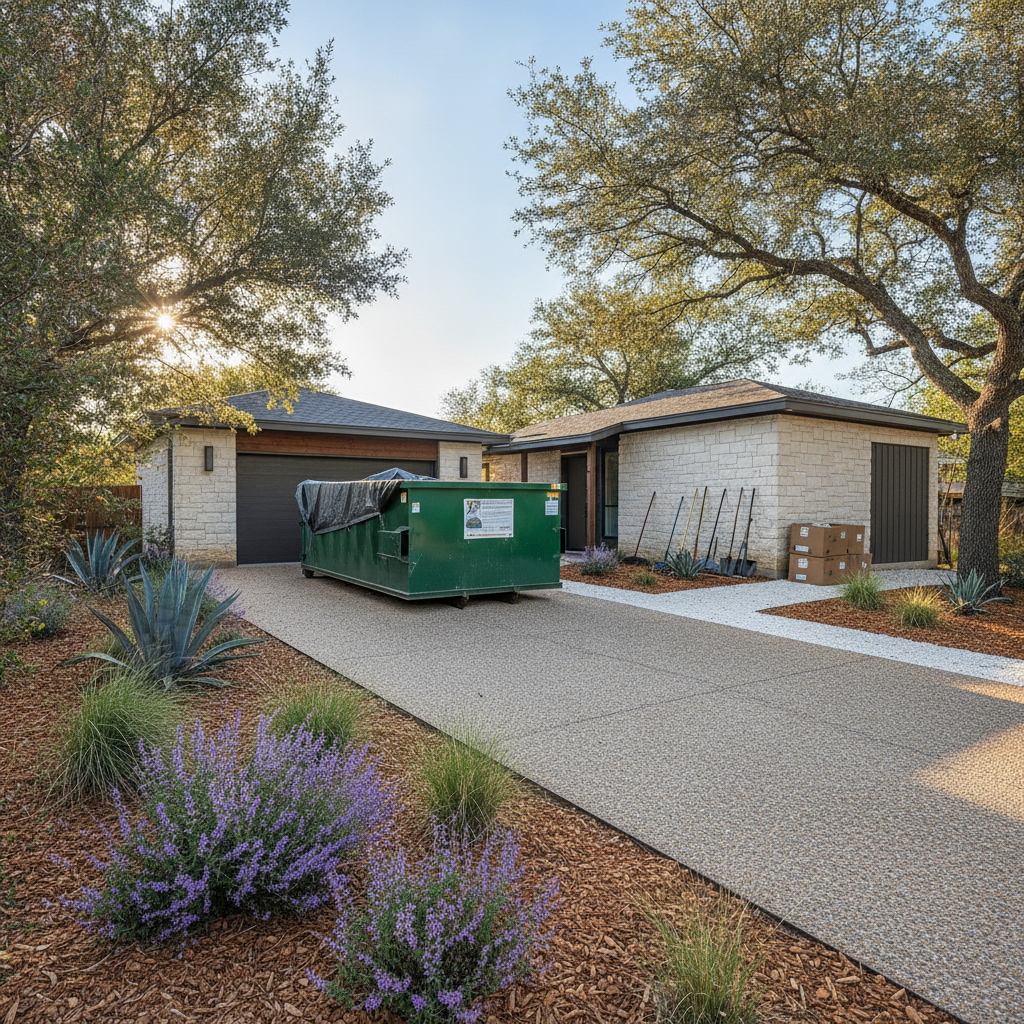
Next, evaluate the available space on your property. Measure the area where you plan to place the dumpster, ensuring there’s enough clearance for delivery trucks and safe access for loading. Consider overhead obstacles like tree branches, power lines, or building overhangs that could interfere with placement. It’s also wise to check the ground surface, gravel, concrete, or asphalt are ideal, while soft ground may require plywood or boards to prevent damage.
Don’t forget to check local regulations and any homeowner association rules that may affect dumpster placement. Some neighborhoods require permits for placing a dumpster on the street or in a shared alley. Contact your local city office or property manager to learn about any restrictions or paperwork you might need. This proactive approach can prevent costly fines and ensure a smooth delivery process.
Once you’ve covered these basics, it’s time to schedule your rental. Reach out to a reputable provider and discuss your project timeline, waste type, and placement preferences. For more tips on property preparation for rental, consult with experts who understand the local landscape and can help you avoid common mistakes.
- Assess the types of waste your project will generate
- Measure and clear the designated dumpster area
- Check for local permits or HOA restrictions
- Coordinate delivery and pickup dates with your provider
By following these steps, you’ll set the stage for a hassle-free dumpster rental experience and keep your project on track from day one.
Preparing for a Dumpster Rental in Austin, TX
Once you’ve determined your project scope, it’s important to focus on the logistics of preparing for a Dumpster Rental in your neighborhood. Start by clearing the delivery path and ensuring the dumpster site is easily accessible for the truck. Remove vehicles, equipment, or any obstacles that might block the way. If your property has a gated entrance, make arrangements to have it open during the scheduled drop-off and pick-up times.
Safety is paramount during dumpster placement. Mark the area with cones or temporary signage to alert workers, tenants, or passersby. This is especially important for businesses or multi-unit properties where people may not expect heavy equipment on site. If your project is in a busy commercial zone, consider scheduling delivery during off-peak hours to minimize disruptions.
Another crucial aspect is protecting your property from potential damage. Place plywood or boards under the dumpster’s wheels or feet to prevent scratches or dents on driveways and paved surfaces. For grassy areas, reinforce the ground to avoid ruts or sinking, especially after rain. Taking these precautions can save you from costly repairs later.
Communication with your dumpster provider is key. Confirm the delivery window and provide clear instructions for placement. If you have specific concerns about space or access, discuss them in advance. Reliable companies like Dumpster Brother Austin can offer guidance tailored to your property and project needs.
- Clear all access points for the delivery truck
- Use protective materials under the dumpster
- Mark the site for safety and visibility
- Coordinate timing to minimize business disruption
By prioritizing these details, you’ll ensure a smooth and safe experience when preparing for a Dumpster Rental, keeping your property and people protected throughout the project.
Preparing for a Dumpster Rental in Austin Texas
Understanding the regulations and requirements for preparing for a Dumpster Rental in this region is essential for a hassle-free experience. Local ordinances may dictate where dumpsters can be placed, how long they can remain on site, and what materials are permitted. Before your rental arrives, research city or county guidelines related to waste disposal and container placement. This step is particularly important for businesses and developers who may be subject to stricter rules due to the nature of their projects.
In some neighborhoods, a permit may be required if the dumpster will be placed on public property such as a street or sidewalk. The process for obtaining a permit varies, but typically involves submitting an application with details about the dumpster size, location, and duration of use. Failing to secure the proper permits can result in fines or forced removal of the container, disrupting your project timeline.
Additionally, be mindful of environmental regulations that govern the disposal of certain materials. Hazardous waste, electronics, and appliances often have special handling requirements and cannot be placed in standard dumpsters. Check with your rental provider to ensure you’re following all guidelines, and ask for recommendations on how to dispose of restricted items safely and legally.
- Review local ordinances for dumpster placement and duration
- Apply for permits if placing a dumpster on public property
- Identify prohibited items and arrange for proper disposal
- Consult your provider for compliance tips
By staying informed and proactive, you’ll avoid regulatory headaches and keep your project moving forward when preparing for a Dumpster Rental in this city.
Choosing the Right Dumpster Size for Your Project
Selecting the correct dumpster size is a foundational part of preparing for a Dumpster Rental. Dumpsters come in various sizes, typically measured in cubic yards, ranging from small 10-yard containers for light cleanouts to large 40-yard bins for major construction projects. Choosing too small a size can lead to overage fees and multiple hauls, while an oversized container may take up unnecessary space and cost more than needed.
To estimate the right size, consider the volume and type of debris your project will generate. Household cleanouts, for example, often require a 10- or 20-yard dumpster, while roofing or renovation jobs may need a 30-yard option. Construction and demolition work typically call for the largest sizes to accommodate bulky materials like concrete, drywall, and lumber.
Discuss your project details with your rental provider, who can recommend the best fit based on their experience. It’s better to slightly overestimate than underestimate, as overfilled dumpsters can’t be safely transported and may incur additional charges. Remember, preparing for a Dumpster Rental means planning for both the expected and the unexpected waste your project might produce.
- 10-yard: Small cleanouts, minor renovations
- 20-yard: Medium projects, flooring removal
- 30-yard: Large renovations, roofing
- 40-yard: Construction, demolition, major cleanouts
By choosing the right size, you’ll maximize efficiency and minimize costs during your dumpster rental period.
What Items Can and Cannot Go in a Dumpster
A crucial part of preparing for a Dumpster Rental is understanding what materials are allowed in your container. Most general waste, such as furniture, old appliances (with refrigerants removed), yard debris, and construction materials, can be disposed of in a standard dumpster. However, certain items are strictly prohibited due to safety and environmental regulations.
Common prohibited items include hazardous chemicals, paint, batteries, tires, asbestos, and electronics. These materials require special handling and must be taken to designated facilities. Placing restricted items in your dumpster can lead to fines, additional fees, or refusal of service.
To avoid surprises, ask your rental provider for a list of accepted and banned materials before your project begins. If you’re unsure about a specific item, it’s always best to check in advance. Proper sorting not only keeps you compliant but also supports responsible waste management in the community.
- Allowed: Furniture, construction debris, yard waste, non-hazardous household junk
- Not Allowed: Paint, chemicals, tires, batteries, asbestos, electronics
By knowing the rules, you’ll protect yourself from penalties and help keep the environment safe while preparing for a Dumpster Rental.
How to Prepare Your Property for Dumpster Delivery
Preparing for a Dumpster Rental involves more than just booking a container. To ensure a smooth delivery, take time to ready your property. Start by clearing the designated area of vehicles, outdoor furniture, and debris. The delivery truck will need ample space to maneuver, so make sure driveways and access points are unobstructed.
If your property has soft ground or landscaping, consider laying down plywood or boards to distribute the dumpster’s weight and prevent damage. Mark the area with cones or flags if necessary, especially if others use the space. For businesses, notify staff and tenants about the delivery schedule to minimize disruptions.
Double-check that the path from the street to the dumpster site is clear of low-hanging branches, wires, or other obstacles. If you’re working in a tight space, communicate any concerns to your rental provider ahead of time. Their team can often suggest solutions to tricky placement issues.
- Remove obstacles from the delivery path
- Protect surfaces with boards or plywood
- Mark the site for easy identification
- Notify others about delivery timing
These steps will help ensure your dumpster arrives safely and on time, setting your project up for success.
Maximizing Space and Efficiency When Loading Your Dumpster
Once your dumpster is on site, maximizing space is key to getting the most value from your rental. Start by breaking down large items like furniture or boxes to reduce air gaps. Place flat items, such as doors or panels, along the sides and stack heavier materials on the bottom. Fill gaps with smaller debris to ensure even distribution.
Avoid overfilling the dumpster, as most providers require that contents do not extend above the rim for safe transport. Overloaded containers can result in extra fees or the need for a second haul. If you anticipate generating more waste than expected, contact your provider early to discuss options.
For projects generating mixed waste, consider sorting materials as you load. Grouping similar items together can make recycling easier and may even save you money if your provider offers separate bins for recyclables. Remember, careful loading is an important part of preparing for a Dumpster Rental and can help you avoid unnecessary hassles.
- Break down bulky items to save space
- Stack heavy materials at the bottom
- Fill gaps with smaller debris
- Do not exceed the fill line
By loading your dumpster efficiently, you’ll maximize capacity and keep your project running smoothly.
Safety Tips for Dumpster Rentals on Your Property
Safety should always be a top priority when preparing for a Dumpster Rental. Dumpsters are heavy equipment, and improper use can lead to accidents or property damage. Start by choosing a location away from high-traffic areas, entrances, or exits. Keep the area around the dumpster clear to prevent trips and falls.
Never allow children or unauthorized individuals to climb into or play around the dumpster. If your project is ongoing, consider securing the container with a lockable lid or cover when not in use. This prevents unauthorized dumping and keeps wildlife out.
Wear appropriate protective gear when loading heavy or sharp items, and use proper lifting techniques to avoid injury. If you’re disposing of materials that generate dust or debris, wear a mask and gloves. For businesses and multi-unit properties, post safety signage to alert others about the presence of heavy equipment.
- Keep the area clear and well-marked
- Supervise children and pets
- Use protective equipment when loading
- Secure the dumpster when not in use
By following these safety tips, you’ll protect yourself, your property, and others throughout the rental period.
Coordinating Dumpster Pickup and Final Cleanup
As your project wraps up, coordinating the pickup of your dumpster is the final step in preparing for a Dumpster Rental. Contact your provider a day or two before your desired pickup date to confirm arrangements. Make sure the area around the dumpster is clear and accessible for the truck.
Do a final walk-through of your property to ensure all intended waste has been loaded and no restricted items are present. Remove any debris that may have fallen outside the container and check for damage to surfaces or landscaping. If you used boards or protective materials, collect them for reuse or disposal.
After the dumpster is removed, inspect the site for any remaining mess or hazards. Sweep the area and address any minor repairs as needed. For businesses, communicate with staff or tenants about the completion of the project and restore normal access to the space.
- Schedule pickup in advance
- Clear access for the truck
- Inspect for leftover debris or damage
- Restore the area to its original condition
Proper coordination ensures a smooth finish to your project and leaves your property clean and ready for its next use.
Table: Dumpster Sizes and Common Uses
| Dumpster Size (Cubic Yards) | Typical Dimensions (L x W x H, ft) | Common Uses |
|---|---|---|
| 10 | 12 x 8 x 3.5 | Small cleanouts, minor remodeling, yard debris |
| 20 | 22 x 8 x 4.5 | Medium renovations, flooring, roofing |
| 30 | 22 x 8 x 6 | Large cleanouts, construction, demolition |
| 40 | 22 x 8 x 8 | Major construction, commercial projects |
This table provides a quick reference to help you choose the right dumpster size for your project. Discuss your needs with your rental provider to ensure the best fit.
Tips for Businesses and Developers
Businesses and developers face unique challenges when preparing for a Dumpster Rental. Projects often involve larger volumes of waste, multiple stakeholders, and stricter timelines. To streamline the process, start with a clear project plan that outlines waste types, estimated volumes, and disposal schedules. Assign a point person to coordinate with the rental provider and oversee on-site logistics.
For commercial projects, communicate with neighboring businesses or tenants about delivery and pickup times to minimize disruption. If your project spans several weeks, consider arranging for multiple hauls or a swap-out service to keep the site clean and organized. Document any special requirements, such as after-hours access or restricted loading zones, and share them with your provider in advance.
Developers should pay special attention to local permitting and environmental regulations, as large-scale projects may be subject to additional scrutiny. Work closely with your provider to ensure compliance and avoid costly delays. By taking a proactive approach, you’ll keep your project on schedule and maintain positive relationships with all parties involved.
- Assign a coordinator for dumpster logistics
- Communicate with neighbors and tenants
- Schedule multiple hauls for ongoing projects
- Ensure compliance with all regulations
These tips will help businesses and developers manage waste efficiently and keep projects running smoothly.
Final Thoughts
Preparing for a Dumpster Rental is about more than simply ordering a container. It requires careful planning, attention to detail, and a proactive approach to logistics, safety, and compliance. By assessing your property’s needs, understanding local regulations, and working closely with a trusted provider, you can ensure a seamless rental experience from start to finish. Whether you’re a homeowner, business owner, or developer, following these guidelines will help you avoid common pitfalls, protect your property, and make the most of your dumpster rental. Remember, the key to a successful project lies in preparation, so take the time to plan, communicate, and execute each step with care. Your property, your budget, and your peace of mind will thank you.