If you’re planning a major cleanout, renovation, or construction project, understanding weight limits dumpster Austin is crucial for keeping your costs under control and avoiding surprise fees. Whether you’re a small business owner, a developer, or simply tackling a big home project, renting a dumpster can simplify waste management. However, not all dumpster rentals are created equal, and knowing the ins and outs of weight limits, overage charges, and local regulations can make a big difference in your experience. In this comprehensive guide, we’ll break down everything you need to know about dumpster weight limits, how fees are calculated, and smart ways to avoid extra costs. By the end, you’ll feel confident navigating the process and choosing the right dumpster rental for your needs in this community.
Weight Limits Dumpster Austin: What You Need to Know
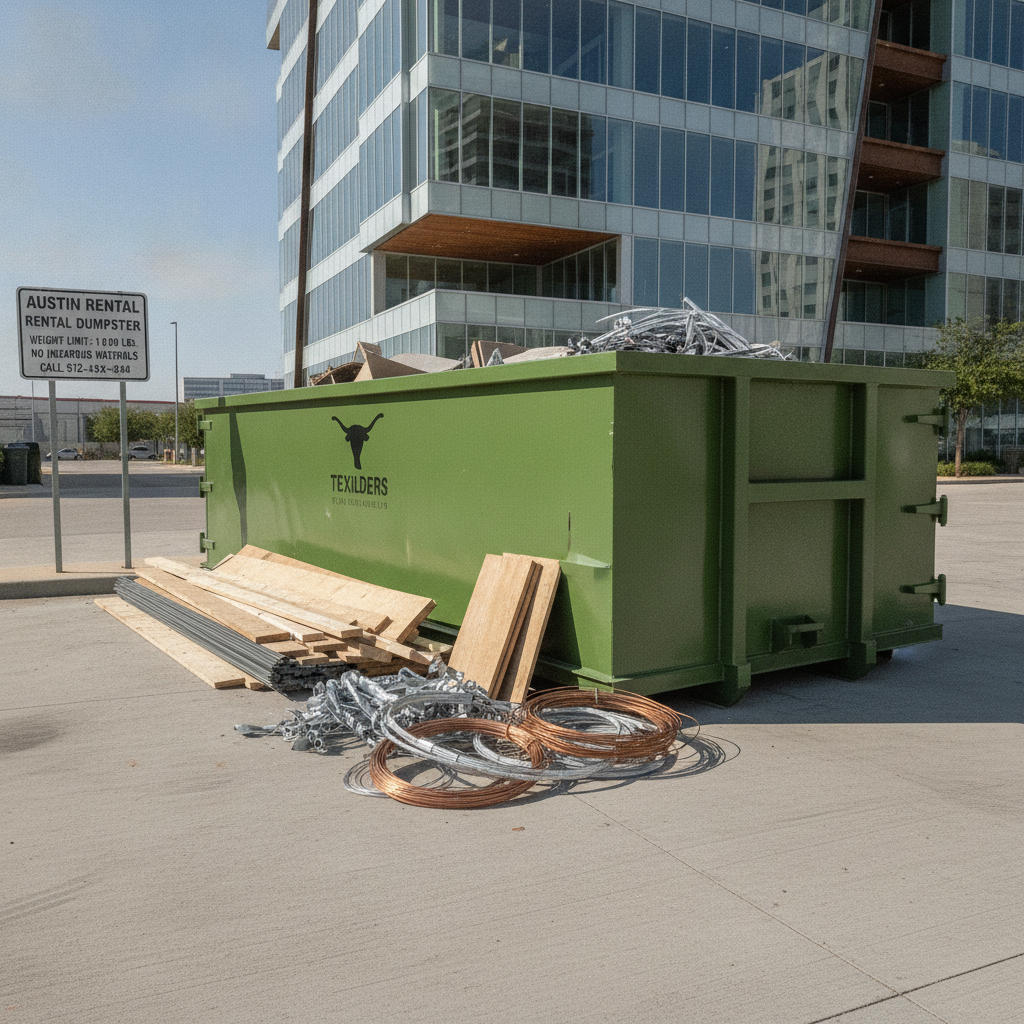
When it comes to renting a dumpster for your project, understanding the weight limits dumpster Austin is the first step toward a smooth and cost-effective experience. Every dumpster comes with a specific weight allowance, which is the maximum amount of debris you can load without incurring extra charges. These limits are set by local haulers based on the dumpster size, disposal site requirements, and transportation safety regulations.
For example, a typical 10-yard dumpster might have a weight limit of 2 tons (4,000 pounds), while a 20-yard dumpster could allow up to 3 tons (6,000 pounds). Exceeding these limits means you’ll face overage fees, which are often charged per additional ton or fraction thereof. That’s why it’s essential to estimate your debris weight before booking and to discuss your specific project needs with your rental provider.
Weight limits are not just about avoiding fees, they’re also about safety and compliance. Overloaded dumpsters can damage driveways, pose risks during transport, and even lead to rejected loads at disposal facilities. Local regulations in the area are strict about weight, and haulers must comply to avoid penalties. If you’re unsure about how much your debris will weigh, most companies offer guidance based on the type of materials you plan to dispose of.
For more details or to get a quote tailored to your project, click here to connect with a local dumpster rental expert who can help you navigate weight limits and fees.
Understanding Weight Limits Dumpster Austin, TX
The specifics of weight limits dumpster Austin, TX, can vary depending on the dumpster size and the type of debris you’re disposing of. Residential cleanouts, construction projects, and commercial renovations all generate different types and amounts of waste, each with its own average weight. For instance, household junk and furniture tend to be lighter, while roofing shingles, concrete, and soil are much heavier and can quickly exceed standard weight limits.
Most rental companies in the region will clearly outline the weight limit for each dumpster size in your rental agreement. It’s important to read these terms carefully and ask questions if anything is unclear. Some companies offer flat-rate pricing that includes a set weight limit, while others may have variable pricing based on the actual weight at the landfill. Always confirm whether your quote includes disposal fees and what the overage charges will be if you exceed the limit.
If you anticipate disposing of heavy materials, consider renting a larger dumpster or arranging for multiple hauls. This can sometimes be more cost-effective than paying steep overage fees. Additionally, separating lighter and heavier debris can help you maximize your dumpster’s capacity without going over the weight limit.
For a detailed breakdown of weight limits and to see how your project stacks up, visit the Austin dumpster rental weight limits page for more information and personalized assistance.
Weight Limits Dumpster Austin Texas: Local Regulations and Best Practices
In the region, dumpster rental companies must adhere to local and state regulations regarding weight limits and safe hauling. These rules are in place to protect roads, ensure public safety, and maintain efficient waste management operations. For example, overloaded dumpsters can cause damage to streets and pose risks during transport, which is why strict enforcement of weight limits is the norm.
Best practices for staying within your dumpster’s weight limit include accurately estimating your debris, choosing the right size, and avoiding the temptation to overfill. Heavier materials like concrete, dirt, and roofing materials should be loaded first and evenly distributed to prevent uneven weight distribution. If you’re disposing of mixed materials, consider separating them to avoid exceeding the limit for a specific type of debris.
Local haulers often provide resources or calculators to help you estimate the weight of common materials. For example, a cubic yard of concrete can weigh over 4,000 pounds, while the same volume of household junk might weigh less than 500 pounds. Understanding these differences is key to avoiding unexpected charges and ensuring your project runs smoothly.
Remember, it’s always better to err on the side of caution and discuss your project in detail with your rental provider. They can recommend the best dumpster size and offer tips for maximizing your rental without exceeding weight limits.
How Dumpster Weight Limits Are Calculated
Dumpster weight limits are determined by a combination of factors, including the physical size of the dumpster, the type of debris being disposed of, and the maximum legal load allowed for transport vehicles. Rental companies set these limits to comply with transportation laws and landfill restrictions, as well as to protect their equipment and your property.
Typically, weight limits are expressed in tons or pounds, and each dumpster size comes with a recommended maximum. For example, a 10-yard dumpster might have a 2-ton limit, while a 30-yard dumpster could allow up to 4 or 5 tons. These limits are based on average debris weights and the capacity of local disposal facilities.
To calculate the weight of your debris, consider the types of materials you’ll be discarding. Construction waste, such as drywall, wood, and metal, has different densities compared to yard waste or household junk. Rental companies often provide weight charts or calculators to help you estimate your total load. It’s a good idea to overestimate slightly to avoid surprises at the landfill.
Understanding how weight limits are calculated allows you to plan your project more effectively and avoid costly overage fees.
Common Dumpster Sizes and Their Weight Limits
Dumpster rentals come in a range of sizes to suit different project needs, each with its own weight limit. Choosing the right size is essential for both efficiency and cost savings. Here’s a quick overview of common dumpster sizes and their typical weight limits:
| Dumpster Size | Typical Weight Limit | Best For |
|---|---|---|
| 10-yard | 2 tons (4,000 lbs) | Small cleanouts, minor renovations |
| 20-yard | 3 tons (6,000 lbs) | Medium renovations, roofing projects |
| 30-yard | 4 tons (8,000 lbs) | Large renovations, construction debris |
| 40-yard | 5 tons (10,000 lbs) | Major construction, commercial projects |
Keep in mind that these are general guidelines. Actual weight limits can vary by provider and the type of debris. Always confirm the specifics with your rental company before booking to ensure you select the right dumpster for your needs.
What Happens If You Exceed the Dumpster Weight Limit?
Exceeding your dumpster’s weight limit can lead to additional fees and logistical headaches. Most rental agreements specify an overage charge, which is typically assessed per ton (or fraction thereof) over the included weight. These fees can add up quickly, especially if you’re disposing of heavy materials like concrete, brick, or dirt.
When your dumpster is picked up, it’s weighed at the landfill or disposal facility. If the total weight exceeds the limit stated in your contract, the overage fee will be added to your final bill. In some cases, overloaded dumpsters may not be picked up at all until the excess weight is removed, causing project delays and additional costs.
To avoid these issues, always estimate your debris weight conservatively and consult with your rental provider if you’re unsure. It’s better to rent a slightly larger dumpster or arrange for an additional haul than to risk expensive overage charges.
Staying within your dumpster’s weight limit not only saves money, it also helps ensure a safe and hassle-free project.
Tips for Estimating Your Dumpster Weight
Accurately estimating the weight of your debris is key to choosing the right dumpster and avoiding overage fees. Here are some practical tips to help you make an informed decision:
- List all materials you plan to dispose of and research their average weights per cubic yard or per item.
- Use online weight calculators provided by rental companies or local authorities.
- When in doubt, round up your estimate to account for unexpected items or denser materials.
- Ask your rental provider for guidance based on similar projects they’ve serviced in the area.
- Separate lighter and heavier debris to better manage your load and maximize your dumpster’s capacity.
By following these steps, you can minimize surprises and ensure your dumpster rental stays within budget.
How to Avoid Overage Fees on Your Dumpster Rental
Avoiding overage fees starts with understanding your dumpster’s weight limit and planning your project accordingly. Here are some strategies to help you stay within your weight allowance:
- Choose the right dumpster size based on your estimated debris weight, not just volume.
- Avoid mixing heavy materials (like concrete or dirt) with lighter waste in the same dumpster.
- Break down large items to maximize space and distribute weight evenly.
- If you’re close to the weight limit, consider a second dumpster or an additional haul rather than risking overage charges.
- Communicate with your rental provider about your project scope and ask for advice on managing weight.
Proactive planning and open communication with your dumpster rental company are the best ways to avoid extra fees and keep your project on track.
Factors That Affect Dumpster Weight Limits and Fees
Several factors influence the weight limit and fees associated with your dumpster rental. Understanding these can help you budget more accurately and avoid unexpected costs:
- Type of debris: Construction materials, yard waste, and household junk all have different densities and disposal requirements.
- Dumpster size: Larger dumpsters have higher weight limits but may also come with higher base fees.
- Local landfill rates: Disposal facilities charge by weight, which affects your total rental cost.
- Transportation regulations: Haulers must comply with local and state laws regarding maximum load weights for safety.
- Rental company policies: Some companies offer flat-rate pricing, while others charge based on actual weight.
Discuss these factors with your rental provider to ensure you understand all potential fees and select the best option for your project.
Smart Ways to Maximize Your Dumpster Rental
Getting the most value from your dumpster rental means using your space and weight allowance wisely. Here are some smart strategies to help you get the most out of your rental:
- Break down bulky items and flatten boxes to save space and distribute weight.
- Load heavier items first and distribute them evenly across the bottom of the dumpster.
- Avoid overfilling, debris should not extend above the rim, as this can lead to additional fees or refusal of pickup.
- Separate materials when possible, especially if you have both heavy and light debris.
- Consult with your rental provider about the best way to load your dumpster for your specific project.
These tips can help you stay within your weight limit, avoid extra charges, and ensure a smooth rental experience from start to finish.
Bringing It Together
Navigating weight limits dumpster Austin doesn’t have to be complicated. By understanding how weight limits work, what factors influence your fees, and how to estimate your debris accurately, you can avoid costly surprises and make your project run smoothly. Remember to choose the right dumpster size, separate heavy and light materials, and communicate openly with your rental provider. Whether you’re a business owner, developer, or homeowner, these best practices will help you get the most out of your dumpster rental in the neighborhood. With a little planning and the right information, you’ll be able to manage your waste efficiently, stay within budget, and complete your project with confidence.