When you’re planning a renovation, construction, or cleanout project, figuring out the right dumpster size can be the difference between a smooth process and a logistical headache. Many business owners, developers, and residents find themselves overwhelmed by the choices, unsure whether a small bin will do or if a larger container is necessary. That’s where a comprehensive Dumpster Size Guide comes in handy. Choosing the correct dumpster size ensures you avoid unnecessary costs, prevents project delays, and keeps your worksite organized. This guide will walk you through everything you need to know about selecting the perfect dumpster for your project, from understanding volume measurements to considering the type of debris you’ll be tossing. Whether you’re a first-time renter or a seasoned pro, you’ll gain valuable insights to help you make the best decision for your needs. Let’s dive in and demystify the process of dumpster selection so you can focus on what matters most, getting your project done efficiently and affordably.
Dumpster Size Guide for Austin Projects
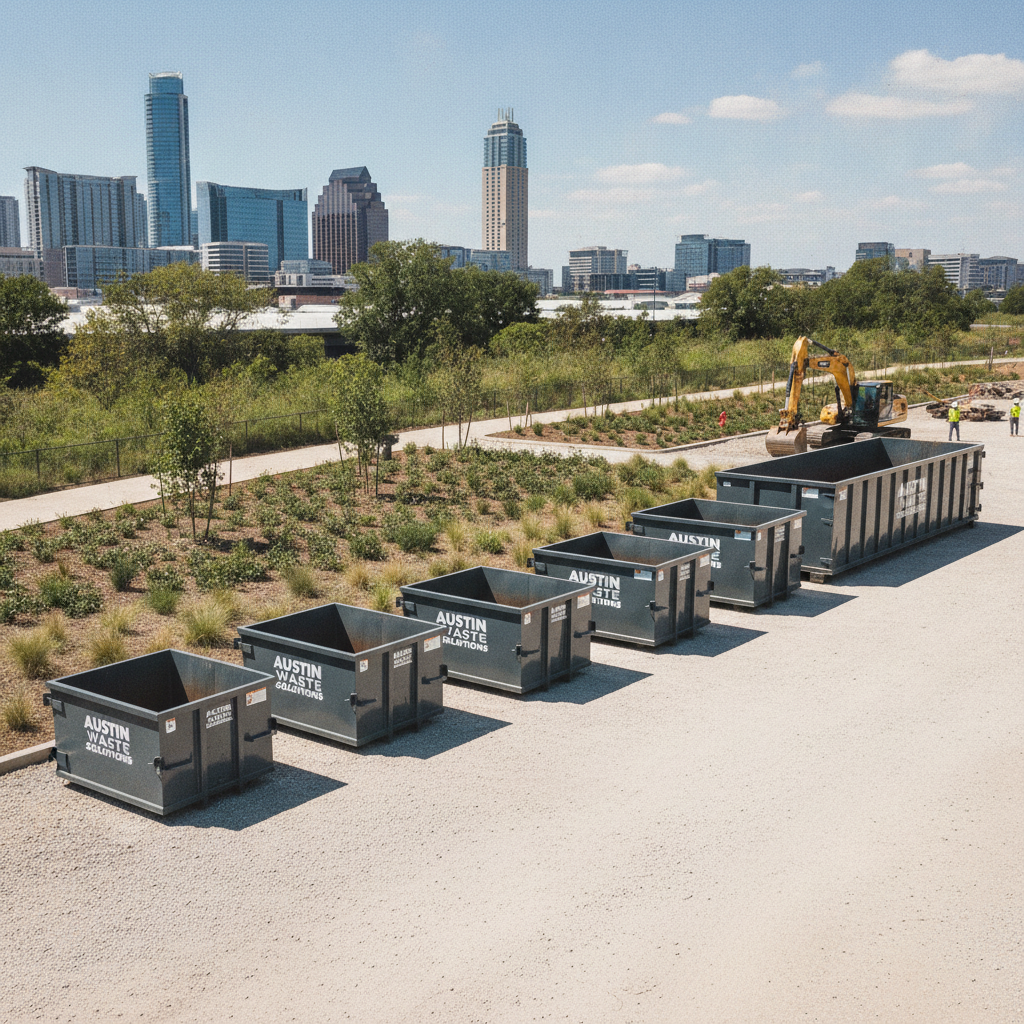
Selecting the right dumpster size is crucial to the success of any project in this community. A Dumpster Size Guide helps you avoid the common pitfalls of overestimating or underestimating your needs, which can lead to wasted money or multiple hauls. The most popular dumpster sizes are 10-yard, 20-yard, 30-yard, and 40-yard containers. Each is designed for different project scopes, from small home cleanouts to large-scale construction jobs.
The 10-yard dumpster is perfect for minor renovations or garage cleanouts. It holds about three pickup truck loads of debris, making it ideal for projects with limited space or smaller amounts of waste. The 20-yard option is a favorite for medium-sized remodels, roofing projects, and larger cleanups. It provides a balance between capacity and footprint, fitting comfortably in most driveways while handling a significant volume of material.
For major construction or demolition, the 30-yard and 40-yard dumpsters are the go-to choices. These larger containers can accommodate bulky items, heavy debris, and the waste generated by commercial or multi-family property renovations. However, it’s essential to consider the type and weight of your debris, as overloading a dumpster can result in additional fees.
If you’re still unsure which size is right for your project, check out these dumpster rental tips in Austin for more guidance. Remember, choosing the correct dumpster size saves time, money, and stress, ensuring your project runs smoothly from start to finish.
Dumpster Size Guide for Austin, TX Projects
Understanding the Dumpster Size Guide is essential when tackling any project in the region. The guide not only outlines the dimensions and capacities of each dumpster but also provides insight into which size matches specific types of jobs. For example, a 10-yard dumpster, with its compact size, is suitable for attic cleanouts or small bathroom remodels, while a 20-yard container is better for deck removals or flooring replacements.
The 30-yard dumpster is the workhorse for most commercial renovations, office cleanouts, and larger home remodels. Its size allows for the disposal of bulky furniture, drywall, and construction debris without frequent hauls. The largest, the 40-yard dumpster, is typically reserved for major construction sites, large-scale demolitions, or whole-home cleanouts. While it offers the most space, it also requires ample room for placement and pickup.
When using the Dumpster Size Guide, always consider the type of materials you’ll be disposing of. Dense materials like concrete, brick, or dirt may require a smaller dumpster due to weight restrictions, even if the volume seems manageable. Conversely, lighter materials such as wood, cardboard, or household junk can be loaded into larger dumpsters without exceeding weight limits.
For a detailed breakdown of which size matches your project, visit the Dumpster Size Guide for Austin projects. Using the guide ensures you select the most cost-effective and practical option for your needs.
Dumpster Size Guide for Austin Texas Projects
A Dumpster Size Guide is invaluable for anyone planning a project in the area. The guide breaks down each dumpster size by volume, typical uses, and the types of debris it can handle. For instance, the 10-yard option is suitable for small-scale projects, while the 20-yard is often chosen for home renovations or landscaping work. The 30-yard and 40-yard dumpsters are best for commercial or large residential projects.
When reviewing the Dumpster Size Guide, pay attention to both the cubic yardage and the physical dimensions of each container. This ensures the dumpster fits in your available space, whether that’s a driveway, parking lot, or construction site. It also helps you estimate the number of trips required for debris removal, which can impact your overall project timeline and budget.
Many residents and business owners in the region appreciate the clarity a Dumpster Size Guide provides. It eliminates guesswork, allowing you to confidently choose a dumpster that matches your project’s scale and waste type. Consulting the guide before renting can also help you avoid costly overages or the inconvenience of needing a second dumpster mid-project.
By leveraging the Dumpster Size Guide, you’re setting yourself up for a more organized, efficient, and cost-effective project, no matter the scope or complexity.
How Dumpster Sizes Are Measured
Dumpster sizes are typically measured in cubic yards, which represent the volume of debris the container can hold. One cubic yard equals 27 cubic feet, so a 10-yard dumpster has a capacity of 270 cubic feet. Understanding these measurements is crucial when consulting a Dumpster Size Guide, as it helps you visualize the amount of waste each container can accommodate.
Most dumpsters are also described by their physical dimensions, length, width, and height. For example, a standard 20-yard dumpster is usually about 22 feet long, 7.5 feet wide, and 4.5 feet high. These measurements are important when considering placement on your property or job site. You’ll want to ensure there’s enough space for both the dumpster and the delivery truck.
Weight limits are another factor to consider. Even if your debris fits within the volume of the dumpster, exceeding the weight limit can result in additional charges. The Dumpster Size Guide often includes recommended limits for different materials, such as household junk, construction debris, or yard waste. Always check with your rental provider for specific guidelines to avoid surprises on your final bill.
By understanding how dumpster sizes are measured, you can make more informed decisions and select the best container for your project’s needs.
Common Projects and Their Dumpster Size Needs
Different projects generate different amounts and types of waste, making it essential to consult a Dumpster Size Guide before renting. For small-scale cleanouts, such as decluttering a garage or attic, a 10-yard dumpster is usually sufficient. Medium-sized projects like kitchen or bathroom remodels often require a 20-yard dumpster, which can handle cabinets, countertops, and old fixtures.
Larger renovations, such as whole-home remodels or roof replacements, typically call for a 30-yard dumpster. This size can accommodate bulky materials like drywall, flooring, and shingles. For major construction or demolition projects, a 40-yard dumpster is the best choice, offering ample space for large amounts of debris.
Consider the following table for a quick reference on matching dumpster sizes to common project types:
| Project Type | Recommended Dumpster Size |
|---|---|
| Garage or Attic Cleanout | 10-yard |
| Small Remodel (Bathroom/Kitchen) | 20-yard |
| Roof Replacement | 30-yard |
| Whole-Home Renovation | 30-yard or 40-yard |
| Major Construction/Demolition | 40-yard |
Using this table alongside a Dumpster Size Guide ensures you select the right size for your specific project, preventing overages and unnecessary expenses.
Factors That Influence Dumpster Size Selection
Several factors influence which dumpster size is best for your project. The primary consideration is the volume of debris you expect to generate. However, the type of materials, local regulations, and available space also play significant roles. For example, heavy materials like concrete or dirt may require a smaller dumpster, even if the total volume is low, to avoid exceeding weight limits.
Another key factor is the duration of your project. Longer projects may benefit from a larger dumpster to minimize the need for multiple pickups. Conversely, short-term jobs with limited waste can often be managed with a smaller container. The Dumpster Size Guide can help you estimate the appropriate size based on your project’s timeline and scope.
Accessibility is also important. Ensure there’s enough room for the dumpster and the delivery truck, especially in tight urban neighborhoods or busy commercial areas. Some communities have restrictions on where dumpsters can be placed, so always check local ordinances before scheduling delivery.
By considering these factors alongside the Dumpster Size Guide, you can confidently choose the right dumpster for your needs, ensuring a smooth and efficient project from start to finish.
Estimating Your Debris Volume
Estimating how much debris your project will generate is one of the most challenging aspects of dumpster rental. The Dumpster Size Guide provides helpful benchmarks, but it’s important to assess your specific situation. Start by making a list of the items you’ll be disposing of, including furniture, appliances, construction materials, and yard waste.
A good rule of thumb is to visualize the debris in terms of pickup truck loads. For example, a 10-yard dumpster typically holds about three pickup loads, while a 20-yard can handle six. If you’re dealing with bulky or irregularly shaped items, consider how they’ll fit within the dumpster’s dimensions. Overestimating slightly is better than underestimating, as it prevents the need for a second rental.
Consulting the Dumpster Size Guide during this process helps you match your estimated debris volume to the appropriate container size. Many rental companies also offer online calculators or customer support to assist with this step. Remember, accurate estimation saves money and streamlines your project timeline.
By taking the time to estimate your debris volume and referencing the Dumpster Size Guide, you’ll avoid common pitfalls and ensure a hassle-free rental experience.
Weight Limits and Material Restrictions
Every dumpster comes with a weight limit, which is crucial to consider when using a Dumpster Size Guide. Exceeding these limits can result in additional fees, so it’s important to match the container size to both the volume and weight of your debris. Heavy materials like concrete, brick, or soil can quickly add up, even in a small dumpster.
Most rental companies provide weight guidelines for each dumpster size. For example, a 10-yard dumpster may have a limit of 2-3 tons, while a 40-yard container can handle up to 6-8 tons. Always check with your provider to confirm these limits before booking.
In addition to weight limits, there are often restrictions on certain materials. Hazardous waste, electronics, tires, and liquids are typically prohibited. The Dumpster Size Guide can help you determine which items are allowed and which require special disposal methods.
By understanding weight limits and material restrictions, you can use the Dumpster Size Guide to select a container that meets your needs and complies with local regulations.
Cost Considerations When Choosing a Dumpster
Cost is a major factor when selecting a dumpster size. The Dumpster Size Guide helps you compare prices for different container sizes, ensuring you get the best value for your project. Smaller dumpsters are generally less expensive, but renting one that’s too small can lead to additional fees for overages or multiple hauls.
Larger dumpsters have higher base rates, but they may be more cost-effective for big projects by reducing the need for extra pickups. Consider the total cost of your project, including rental fees, delivery and pickup charges, and potential overage costs. The Dumpster Size Guide can help you estimate these expenses based on your project’s scope and duration.
It’s also important to factor in any permits or local fees associated with dumpster placement. Some neighborhoods require permits for dumpsters placed on public property, which can add to your overall costs. Always check with your rental provider and local authorities to avoid unexpected expenses.
By using the Dumpster Size Guide to compare costs and plan ahead, you can select the right dumpster for your budget and project needs.
Tips for a Smooth Dumpster Rental Experience
Renting a dumpster doesn’t have to be complicated. By following a few simple tips and consulting the Dumpster Size Guide, you can ensure a seamless experience from start to finish. First, plan ahead by scheduling your dumpster delivery and pickup in advance. This helps you avoid delays and ensures the container is available when you need it.
Next, prepare your site by clearing space for the dumpster and ensuring there’s easy access for the delivery truck. If you’re working in a tight area, measure the available space and compare it to the dumpster’s dimensions in the Dumpster Size Guide. This prevents placement issues and potential damage to your property.
Communicate with your rental provider about the types of materials you’ll be disposing of, as some items may require special handling. Following the guidelines in the Dumpster Size Guide helps you avoid prohibited materials and additional fees.
Finally, fill the dumpster evenly and avoid overloading it above the rim. This ensures safe transport and compliance with weight limits. By following these tips and referencing the Dumpster Size Guide, you’ll enjoy a hassle-free rental process and a successful project outcome.
Final Thoughts
Choosing the right dumpster size doesn’t have to be a guessing game. With a reliable Dumpster Size Guide, you can confidently select the perfect container for your project, whether you’re tackling a home renovation, commercial build, or community cleanout. By considering factors like debris volume, material type, weight limits, and cost, you’ll avoid common pitfalls and keep your project running smoothly. Remember to plan ahead, consult your rental provider, and use the Dumpster Size Guide as your go-to resource. With the right preparation, your next project will be efficient, organized, and stress-free from start to finish.