Renting a dumpster seems like a straightforward process, but for many small business owners, developers, and residents in this community, it can quickly become complicated. Whether you’re clearing out an office, managing a construction site, or simply tackling a large home project, avoiding common dumpster rental mistakes is essential for saving time, money, and hassle. The right approach to dumpster rental can make your project run smoothly, while the wrong moves can lead to unexpected fees, delays, or even legal issues. In this guide, we’ll break down the most frequent pitfalls people face when renting a dumpster and how you can avoid them. By understanding these mistakes and knowing what to look out for, you can ensure your next dumpster rental experience is efficient, cost-effective, and stress-free. Let’s dive in and explore the five biggest mistakes to avoid, plus some expert tips to help you get the most out of your dumpster rental in the area.
Dumpster Rental Mistakes in Austin
One of the most common dumpster rental mistakes in Austin is underestimating the size of the dumpster you need. Many people assume a smaller container will suffice, only to discover midway through their project that they’ve run out of space. This can lead to additional rental fees, wasted time, and unnecessary stress. To avoid this, always assess the scope of your project carefully. Consider the type and volume of materials you’ll be disposing of, and consult with a reputable provider for guidance. Most companies offer a range of sizes, from 10-yard containers for small cleanouts to 40-yard dumpsters for major construction jobs. Choosing the right size upfront is crucial for a smooth experience.
Another frequent issue is failing to check local regulations regarding dumpster placement. In some neighborhoods, permits may be required to place a dumpster on the street or in public spaces. Ignoring these rules can lead to fines or forced removal of the dumpster. Always check with your local municipality or HOA before scheduling delivery. If you’re unsure, ask your rental provider for advice, they often have experience navigating local requirements and can help you avoid costly mistakes.
Timing is another key consideration. Scheduling your dumpster delivery too early or too late can disrupt your project timeline. If the dumpster arrives before you’re ready, it may take up valuable space or incur unnecessary rental days. Conversely, if it arrives late, your project could be delayed. Plan your rental window carefully and communicate clearly with your provider to ensure timely delivery and pickup.
For more dumpster rental tips and to ensure you’re making the right choices for your project, consult local experts who understand the unique needs of this city. By being proactive and informed, you can avoid the most common pitfalls and keep your project on track.
Dumpster Rental Mistakes in Austin, TX
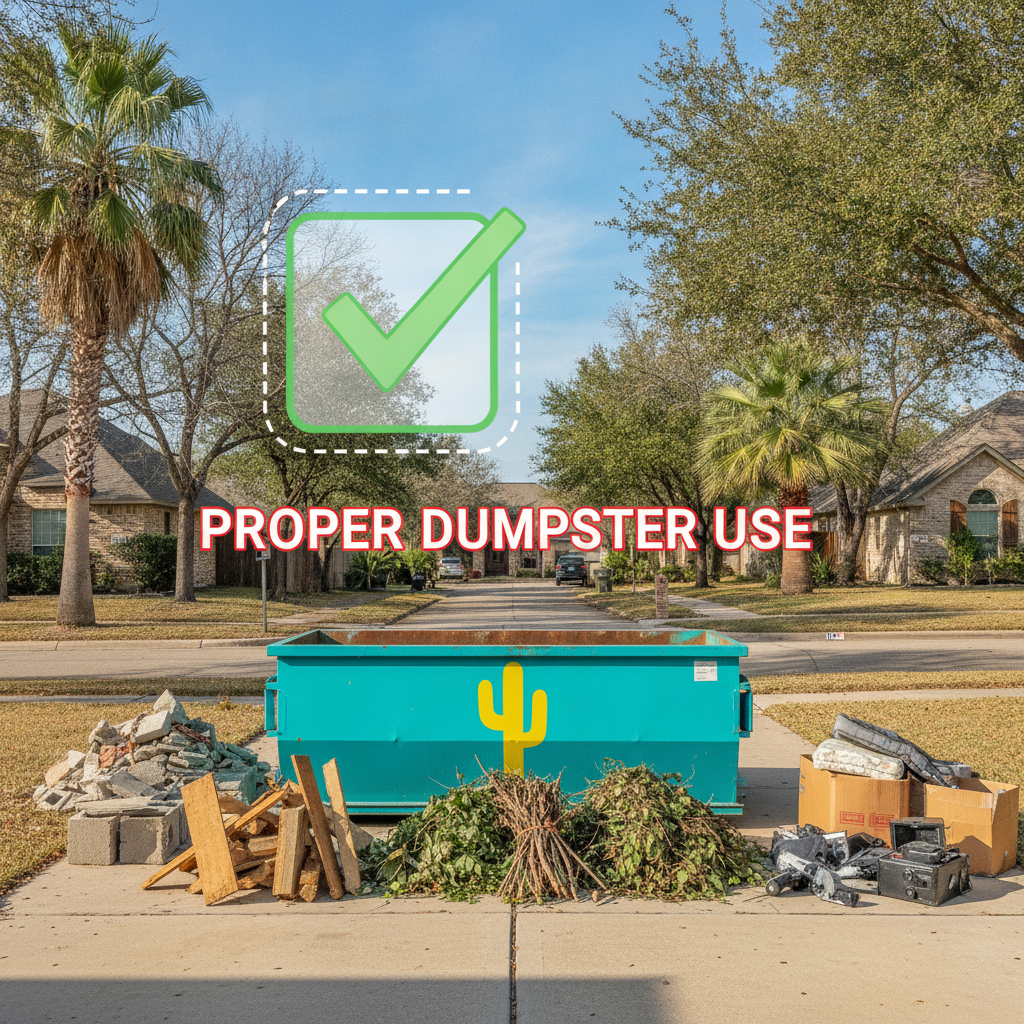
A second major mistake when renting a dumpster in Austin, TX is overlooking the restrictions on what you can put in the dumpster. Not all materials are allowed, and tossing in prohibited items can result in hefty fines or additional disposal fees. Commonly banned items include hazardous waste, tires, certain electronics, and chemicals. Before loading your dumpster, review the list of accepted materials provided by your rental company. If you’re unsure about a specific item, always ask first.
Another issue is overfilling the dumpster. Many renters believe they can simply pile debris above the rim, but this is both unsafe and against most rental agreements. Overfilled dumpsters can’t be safely transported, and you may be charged extra for overages or required to remove excess material before pickup. To avoid this, distribute your waste evenly and never exceed the fill line marked on the container.
Additionally, failing to account for weight limits can be costly. Each dumpster size comes with a maximum weight allowance, and exceeding this limit often results in additional charges. Heavy materials like concrete, brick, or roofing shingles can quickly add up. Estimate your debris weight as accurately as possible and discuss your project details with the rental provider to select a dumpster that meets your needs.
When planning your next dumpster rental, make sure you’re fully aware of these common pitfalls. Taking the time to understand the rules and limitations will help you avoid unexpected expenses and keep your project running smoothly in the region.
Dumpster Rental Mistakes in Austin Texas
A third frequent mistake in dumpster rental mistakes in Austin Texas is neglecting to prepare the drop-off location. Many renters assume any driveway or parking lot will suffice, but accessibility is critical for delivery and pickup. Ensure the area is clear of vehicles, low-hanging branches, and other obstacles. The surface should be level and strong enough to support the weight of a loaded dumpster. Placing plywood or boards under the container can help prevent damage to pavement or landscaping.
Another oversight is not considering the impact on neighbors or local businesses. Dumpsters can take up valuable space and may block access or create noise during loading and unloading. Communicate with those around you to minimize disruptions and avoid complaints. If you’re working in a shared space or commercial area, coordinate with property managers or building owners to ensure compliance with site rules.
Finally, renters often forget to plan for weather conditions. Heavy rain, wind, or extreme heat can affect both the contents of your dumpster and the ease of access. Cover your dumpster with a tarp if rain is expected, and avoid placing it in low-lying areas prone to flooding. Taking these precautions can help you avoid delays and protect your project investment.
For reliable service and expert advice, consider working with Dumpster Brother Austin. Their team understands the local challenges and can guide you through each step of the rental process, helping you sidestep the most common dumpster rental mistakes.
Hidden Costs and Fees to Watch For
One of the most frustrating dumpster rental mistakes is underestimating the total cost. Many renters focus only on the base price, overlooking additional fees that can quickly add up. Common extra charges include overage fees for exceeding weight limits, fees for prohibited items, extended rental periods, and trip charges if the dumpster can’t be delivered or picked up as scheduled. Some providers may also charge for permits, especially if the dumpster is placed on public property.
To avoid surprises, always request a detailed quote that outlines all potential costs. Ask your provider about their policies for overweight loads, extra days, and specific materials. Read the rental agreement carefully and clarify any points that are unclear. By understanding the full scope of your financial responsibility, you can budget more accurately and prevent unexpected expenses from derailing your project.
Below is a table summarizing common fees and how to avoid them:
| Fee Type | Description | How to Avoid |
|---|---|---|
| Overage Fees | Charged for exceeding weight limit | Estimate debris weight, choose correct size |
| Prohibited Items | Fees for banned materials | Check accepted items list, ask provider |
| Extended Rental | Extra days beyond contract | Schedule accurately, finish on time |
| Trip Charges | Failed delivery/pickup attempts | Prepare site, ensure access |
| Permit Fees | Required for public placement | Check local rules, secure permits |
Taking the time to understand these potential costs can save you from budget headaches and ensure your dumpster rental experience is as smooth as possible.
Choosing the Right Dumpster Size
Selecting the proper dumpster size is one of the most important steps in avoiding dumpster rental mistakes. If you choose a container that’s too small, you’ll end up needing an additional rental, which increases costs and disrupts your project. On the other hand, renting a dumpster that’s too large means you’re paying for unused space. To find the right balance, assess the scope of your project and estimate the volume of debris you’ll generate. Most providers offer a range of sizes, typically measured in cubic yards. For small cleanouts or minor renovations, a 10- or 15-yard dumpster may suffice. For larger projects, such as full home remodels or commercial construction, a 30- or 40-yard container is likely necessary.
If you’re unsure, consult with your rental provider. They can help you evaluate your needs based on the type of materials, project duration, and disposal requirements. Remember, it’s better to err on the side of caution and choose a slightly larger size than to risk running out of space. Proper planning will help you avoid unnecessary delays and additional fees, making your dumpster rental experience much more efficient.
Understanding Local Regulations and Permits
Local regulations can have a significant impact on your dumpster rental. Many neighborhoods and municipalities require permits for placing dumpsters on public property, such as streets or sidewalks. Failing to obtain the necessary permits can result in fines or forced removal of the dumpster, disrupting your project and adding unexpected costs. Before scheduling your rental, check with your local government or homeowners association to determine what permits are required and how to obtain them.
Additionally, some areas have restrictions on dumpster placement, size, and allowable hours for delivery and pickup. Make sure you understand these rules and communicate them to your provider. By staying informed and compliant, you can avoid legal trouble and keep your project on track.
What You Can and Cannot Throw Away
Not all waste is created equal, and knowing what you can and cannot dispose of in your dumpster is key to avoiding dumpster rental mistakes. Most providers prohibit hazardous materials, including batteries, paint, chemicals, and certain electronics. Additionally, items like tires, mattresses, and appliances may require special handling or incur extra fees. Always request a list of accepted and prohibited items from your rental company before loading your dumpster.
If you need to dispose of restricted materials, ask your provider about alternative solutions. Many companies can recommend local facilities or services for safe disposal. By following the rules and disposing of waste responsibly, you’ll avoid fines, protect the environment, and ensure a smooth rental experience.
Site Preparation and Accessibility
Proper site preparation is essential for a successful dumpster rental. Before your container arrives, clear the designated area of vehicles, debris, and obstacles. Make sure the surface is flat, stable, and capable of supporting the weight of a fully loaded dumpster. If you’re placing the dumpster on grass or soft ground, consider using plywood to prevent damage.
Accessibility is also important. Ensure there is enough space for the delivery truck to maneuver and drop off the dumpster safely. If access is restricted by gates, fences, or low-hanging wires, notify your provider in advance. By preparing the site and ensuring easy access, you’ll help avoid delays, trip charges, and potential damage to your property.
Timing Your Dumpster Rental
Timing is everything when it comes to dumpster rental. Scheduling your delivery and pickup at the right times can help you avoid unnecessary rental days and extra fees. Plan your project timeline carefully and coordinate with your provider to ensure the dumpster is delivered when you need it and picked up promptly when you’re finished.
Keep in mind that demand for dumpsters can be high during peak construction seasons or after major storms. Book your rental well in advance to secure availability and avoid last-minute stress. Communicate any changes to your schedule as soon as possible to prevent delays or additional charges. With careful planning, you can make the most of your rental period and keep your project on track.
Customer Service and Choosing the Right Provider
The quality of your dumpster rental experience often depends on the provider you choose. Look for a company with a reputation for excellent customer service, transparent pricing, and clear communication. Read reviews, ask for references, and compare quotes from multiple providers to find the best fit for your needs.
A good provider will answer your questions, explain their policies, and help you select the right dumpster size and rental period. They’ll also be responsive to your needs and flexible if your project timeline changes. By partnering with a reliable company, you can avoid many of the common dumpster rental mistakes and enjoy a smooth, hassle-free experience.
Final Thoughts
Renting a dumpster doesn’t have to be complicated or stressful. By recognizing and avoiding the most common dumpster rental mistakes, you can save money, prevent delays, and ensure your project runs smoothly from start to finish. Remember to choose the right size, understand local regulations, watch out for hidden fees, and work with a reputable provider. With careful planning and a proactive approach, your next dumpster rental in the area will be a seamless and successful part of your project. Whether you’re a small business owner, developer, or resident, these tips will help you navigate the process with confidence and achieve the best possible results.