
Renting a dumpster can be a game-changer for small business owners, developers, and residents tackling renovations, cleanouts, or construction projects. If you’re wondering how to rent a dumpster Austin locals trust, you’re not alone, navigating local pricing, delivery rules, and company options can feel overwhelming at first. Fortunately, understanding the ins and outs of the process can save you time, money, and headaches. This comprehensive guide dives into everything you need to know, from understanding local regulations to finding the best value for your project. Whether you’re a first-timer or a seasoned pro, you’ll find practical tips and expert insights to make your next dumpster rental smooth and stress-free.
We’ll break down the most important factors to consider, including how local pricing works, what delivery and placement rules you need to follow, and which companies have the best reputations for service and reliability. Plus, we’ll share insider advice on avoiding common pitfalls, maximizing efficiency, and making sure your rental experience is as seamless as possible. Let’s get started!
Understanding Local Dumpster Rental Pricing
One of the first questions most people have is, “How much will this cost?” Dumpster rental pricing in the area is influenced by several factors, including container size, rental duration, type of debris, and your specific location. Unlike some national chains, many local companies offer transparent, flat-rate pricing that includes delivery, pickup, and disposal fees. However, it’s important to ask about potential extra charges, such as overage fees for exceeding weight limits, or additional days if your project runs long.
Container sizes typically range from 10 to 40 cubic yards, with prices increasing for larger dumpsters. The type of material you’re disposing of also matters, heavy debris like concrete or roofing shingles may cost more due to landfill fees. Additionally, certain items (like appliances or mattresses) may incur extra charges because of special disposal requirements.
To get the best value, compare quotes from several local providers and read the fine print. Ask if taxes, delivery, and pickup are included, and clarify what happens if you need to extend your rental. Some companies offer discounts for longer-term rentals or repeat customers, so don’t hesitate to negotiate if your project is sizable.
Remember, the cheapest option isn’t always the best. Look for companies with strong reviews and a reputation for on-time service, clear communication, and fair billing practices. This will help you avoid unpleasant surprises when the final invoice arrives.
Delivery, Placement, and Local Rules Explained
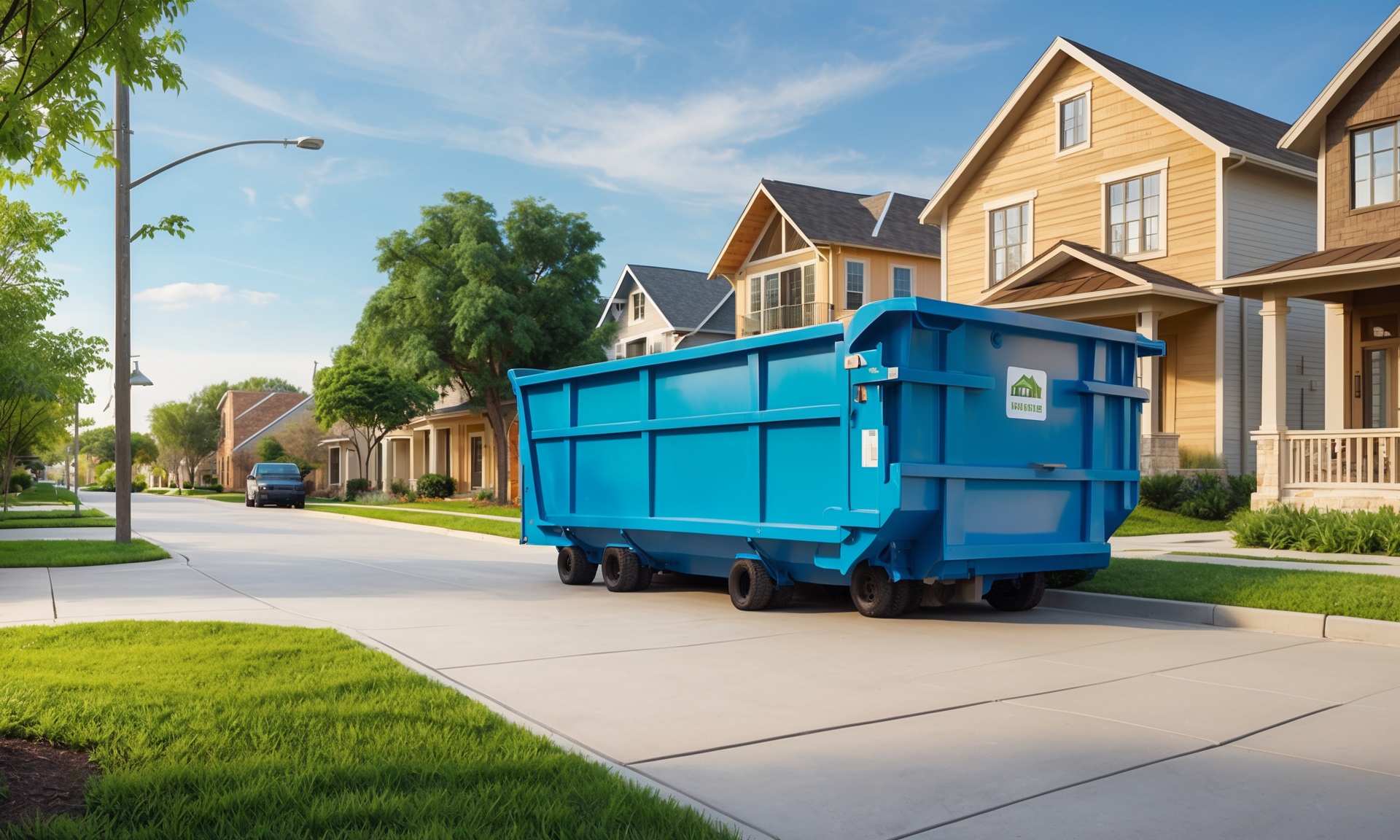
Before your dumpster arrives, it’s crucial to understand the delivery and placement rules in your neighborhood. Many communities have specific regulations about where a dumpster can be placed, often requiring it to be on private property like a driveway, rather than on the street. If you need to place the container on public property, you may need a permit from the city or county. Check with your local municipality for current requirements, as rules can change.
When scheduling delivery, make sure the drop-off area is clear of vehicles, low-hanging branches, and other obstacles. Most dumpsters require a minimum clearance of 20–25 feet in length and at least 10 feet in width. If you’re working in a tight space, let the rental company know in advance, they may have compact options or be able to recommend the best placement strategy.
Timing is also important. Some companies offer same-day or next-day delivery, but it’s wise to schedule a few days ahead, especially during busy seasons. Be present for the delivery if possible, so you can confirm the placement and ask any last-minute questions. Once the dumpster is on-site, follow the company’s guidelines for loading, don’t overfill, and keep debris below the top edge to avoid extra fees or safety hazards.
For more tips on sizing and avoiding hidden costs, check out Austin Dumpster Rental 101: Finding the Right Size and Avoiding Hidden Fees.
Comparing the Best Dumpster Rental Companies
Choosing the right dumpster rental company can make a huge difference in your project’s success. Start by looking for providers with a strong local presence and positive customer reviews. Reliable companies are transparent about their pricing, responsive to questions, and flexible with scheduling. They also provide clear instructions for delivery, pickup, and acceptable materials.
Ask about their range of dumpster sizes, availability, and support for special requests (like Saturday delivery or extended rental periods). Some companies specialize in certain types of debris, such as construction waste, yard waste, or household junk. If your project has unique requirements, be upfront about them when requesting a quote.
Customer service is key. Look for companies that answer the phone promptly, explain their policies clearly, and provide written estimates. Avoid those with vague terms or hidden fees. It’s also a good idea to ask about environmental practices, some providers recycle a portion of collected materials or partner with local charities to divert usable items from landfills.
For a step-by-step overview of the rental process, see How to Rent a Dumpster in Austin in 3 Simple Steps (2026 Update).
What to Know About Dumpster Sizes and Types
Selecting the right size dumpster is essential for both efficiency and cost savings. Dumpsters come in a variety of sizes, typically measured in cubic yards. The most common sizes are 10, 20, 30, and 40 yards, but some companies offer even smaller or specialty containers for tight spaces or unique waste streams.
A 10-yard dumpster is ideal for small cleanouts, minor renovation projects, or yard debris. The 20-yard size is a popular choice for medium-sized remodels, roofing jobs, or larger cleanouts. For major construction or demolition, a 30- or 40-yard dumpster may be necessary. When in doubt, it’s usually better to size up, a slightly larger container can prevent costly overage charges or the need for a second rental.
There are also different types of dumpsters, including roll-off containers, front-load bins, and specialty units for heavy materials like concrete or dirt. Discuss your project details with the rental company to ensure you get the right type and size for your needs. They can help you estimate the volume of debris and recommend the best option for your timeline and budget.
Permits, Restrictions, and Neighborhood Guidelines
Many renters are surprised to learn that permits or special permissions may be required for dumpster placement. If you’re placing the dumpster on private property, such as your driveway or lot, permits are rarely needed. However, if the container must go on the street, sidewalk, or other public right-of-way, you’ll likely need to obtain a permit from your local city office.
Permit requirements vary by location, so check with your local authorities before scheduling delivery. Fees are usually modest, but failing to secure a permit can result in fines or forced removal of the container. Some neighborhoods or homeowner associations have their own rules regarding dumpster size, placement, and duration, so it’s wise to review any community guidelines ahead of time.
Be aware of restrictions on what you can dispose of. Hazardous materials, electronics, tires, and certain appliances are often prohibited. Ask your rental company for a list of accepted items, and plan alternative disposal for anything that isn’t allowed in the dumpster.
Maximizing Efficiency During Your Rental Period
To get the most out of your dumpster rental, plan your project timeline carefully. Have all your debris ready to load before the container arrives, and organize materials to maximize space. Break down large items, stack materials neatly, and avoid tossing in prohibited items that could lead to extra charges.
If you’re working with a team, assign someone to monitor the dumpster and ensure it’s being used efficiently. Remind everyone to keep debris below the fill line and distribute weight evenly. Overloaded or improperly filled dumpsters can be unsafe and may result in additional fees or delayed pickup.
Schedule your pickup as soon as your project is complete to avoid unnecessary rental days. Many companies offer flexible pickup windows, but it’s best to confirm your plans in advance. If you anticipate needing the dumpster longer, communicate with the rental company early, they may offer discounted rates for extended rentals.
Common Mistakes to Avoid When Renting a Dumpster
Even experienced renters can make mistakes that lead to added costs or project delays. One of the most common errors is underestimating the amount of debris, resulting in an overfilled dumpster or the need for a second container. Take time to assess your project and consult with the rental company about the best size for your needs.
Another frequent issue is failing to check for permit requirements or neighborhood restrictions, which can result in fines or forced removal. Always verify local regulations before scheduling delivery. Loading prohibited items is another pitfall, hazardous waste, electronics, and certain appliances are often not allowed and can incur hefty surcharges.
Finally, don’t forget to prepare your drop-off site. Clear the area of vehicles, low branches, and other obstacles to ensure smooth delivery and pickup. Communicate with your rental provider about any access challenges or special instructions.
Sustainable Disposal and Recycling Options
Many residents and business owners are increasingly interested in sustainable disposal options. Some dumpster rental companies offer recycling services for materials like metal, wood, cardboard, and clean concrete. Ask your provider if they sort and recycle debris, or if they partner with local facilities to divert waste from landfills.
You can also take steps to separate recyclables before loading the dumpster. Designate a space for items that can be donated, recycled, or disposed of separately. This not only benefits the environment but can sometimes reduce your overall disposal costs. If your project generates a lot of reusable materials, consider donating to local charities or reuse centers.
For businesses and contractors, some municipalities offer incentives for recycling construction and demolition debris. Check with your local waste authority for guidelines and potential rebates.
Table: Dumpster Rental Comparison by Size, Use, and Typical Cost
| Dumpster Size | Common Uses | Typical Cost Range |
|---|---|---|
| 10 Yard | Small cleanouts, minor remodels, yard debris | $250 – $400 |
| 20 Yard | Medium renovations, roofing, larger cleanouts | $350 – $500 |
| 30 Yard | Major construction, estate cleanouts | $450 – $600 |
| 40 Yard | Large demolitions, commercial projects | $550 – $750 |
*Cost ranges are estimates and may vary by provider, location, and type of debris. Always request a detailed quote for your specific project.
Tips for Small Businesses and Contractors
Small business owners and contractors have unique needs when it comes to dumpster rentals. Projects often require precise scheduling, reliable service, and flexibility for changing timelines. Look for rental companies that offer dedicated account managers or priority scheduling for business clients. Some providers even offer recurring service agreements for ongoing projects.
Consider consolidating your waste management with a single provider to streamline billing and logistics. If you’re working on multiple job sites, ask about volume discounts or bundled services. Clear communication is key, provide detailed information about your project scope, expected debris types, and any special requirements.
Finally, keep safety top of mind. Ensure that all workers are aware of proper loading procedures, and post clear signage about prohibited items. A little preparation goes a long way in keeping your project on track and your costs under control.
What to Expect on Pickup Day
When your project is complete, it’s time to schedule pickup. Most companies require a day or two of notice, so plan ahead to avoid unnecessary rental days. Make sure the area around the dumpster is clear and accessible for the truck. Remove any obstacles, including parked cars, and ensure the container is not overloaded or blocked by debris.
If you have any concerns about the pickup process, communicate with your rental provider in advance. Some companies offer flexible pickup windows or can accommodate same-day requests for an additional fee. Once the dumpster is removed, check the site for any leftover debris or damage, and report any issues promptly.
Proper preparation ensures a smooth pickup and helps you avoid extra charges. By following these steps, you’ll wrap up your project efficiently and leave your property clean and ready for the next phase.
Final Thoughts
Renting a dumpster doesn’t have to be complicated. By understanding how to rent a dumpster Austin residents and businesses rely on, you can navigate local pricing, delivery rules, and company options with confidence. Take the time to compare providers, ask the right questions, and plan your project thoroughly. Whether you’re tackling a home cleanout, a major renovation, or a large-scale construction job, the right dumpster rental can make all the difference. Use these tips to ensure a smooth, cost-effective experience, and keep your project running on schedule from start to finish.